Epoxy Flooring Carole Park
Professional epoxy flooring for Carole Park workspaces. Coatings for garages, workshops, warehouses and industrial floors. Get the right system for your concrete and traffic.
Ipswich & Surrounding Areas
Garage & Commercial Flooring
Industrial Floor Coatings
Decorative Finishes
Epoxy Repairs
Customer Experiences and Reviews


Our Floor Coating Services Across Carole Park
Every floor has a different job to do. We work with Carole Park homeowners, businesses, workshops and industrial properties, matching the preparation and coating to the concrete, traffic and way the space is used.
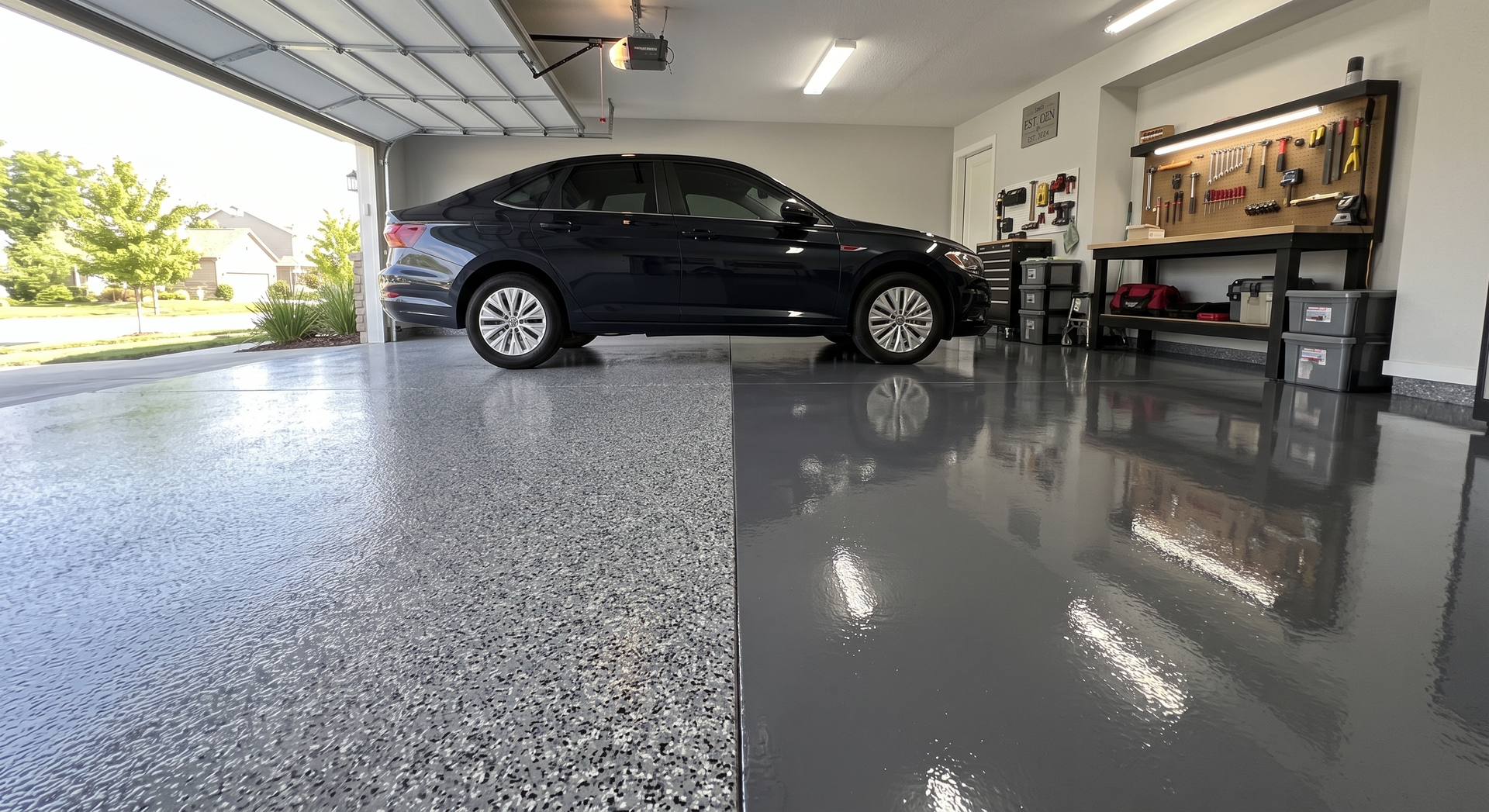
Garage Epoxy Flooring
Tired of oil marks, tyre stains and dusty garage concrete? Epoxy garage flooring in Carole Park creates a sealed, easier-to-clean surface for suitable residential garage floors.

Epoxy Floor Coatings
Stained or worn concrete can sometimes be improved without replacing the entire floor. With proper preparation, an epoxy floor coating in Carole Park can create a cleaner, sealed and more practical surface.
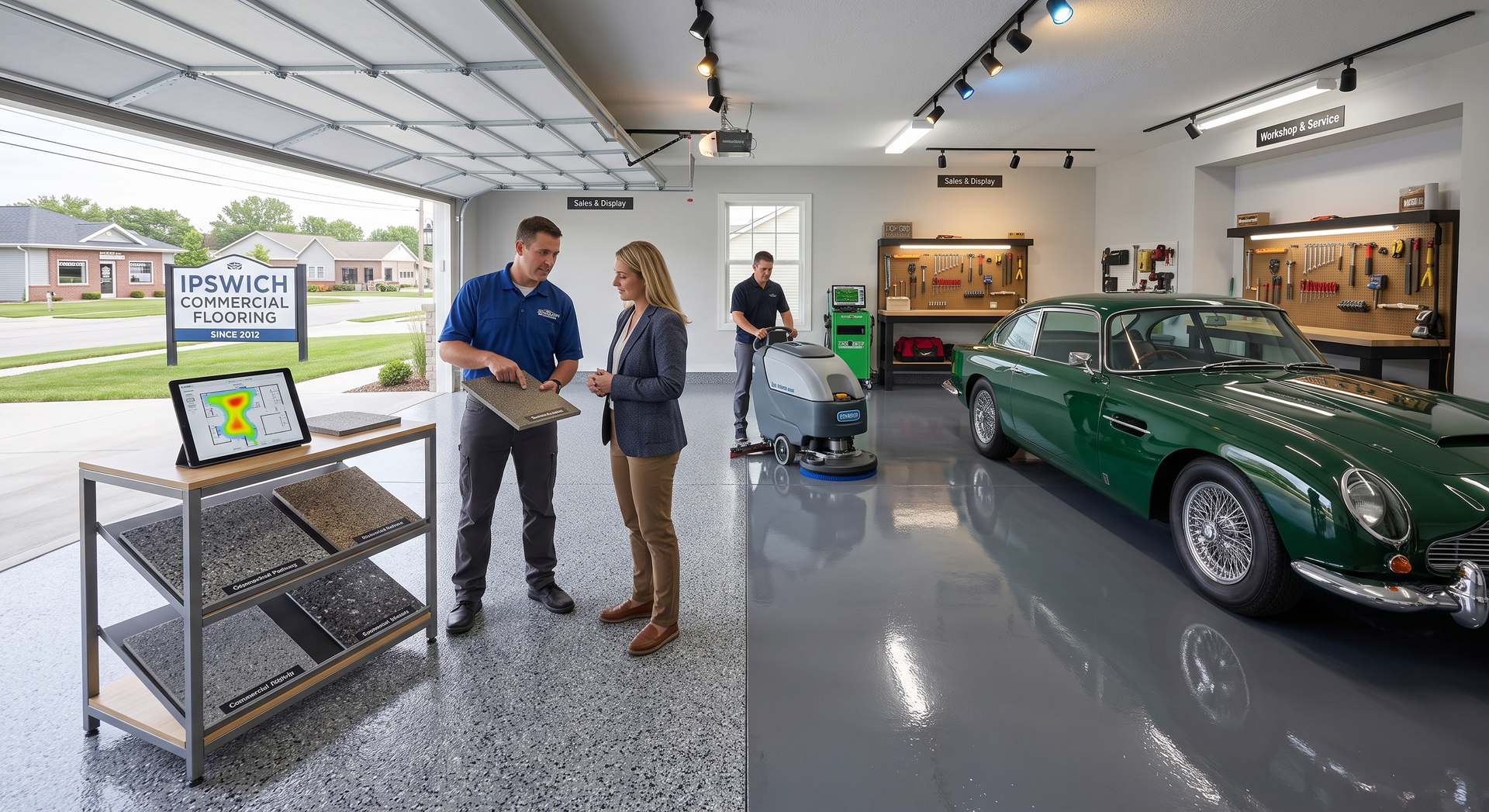
Commercial Epoxy Flooring
Busy premises need a floor that is practical day after day. Commercial epoxy flooring in Carole Park suits shops, showrooms, offices and other business spaces where regular foot traffic and easy maintenance matter.

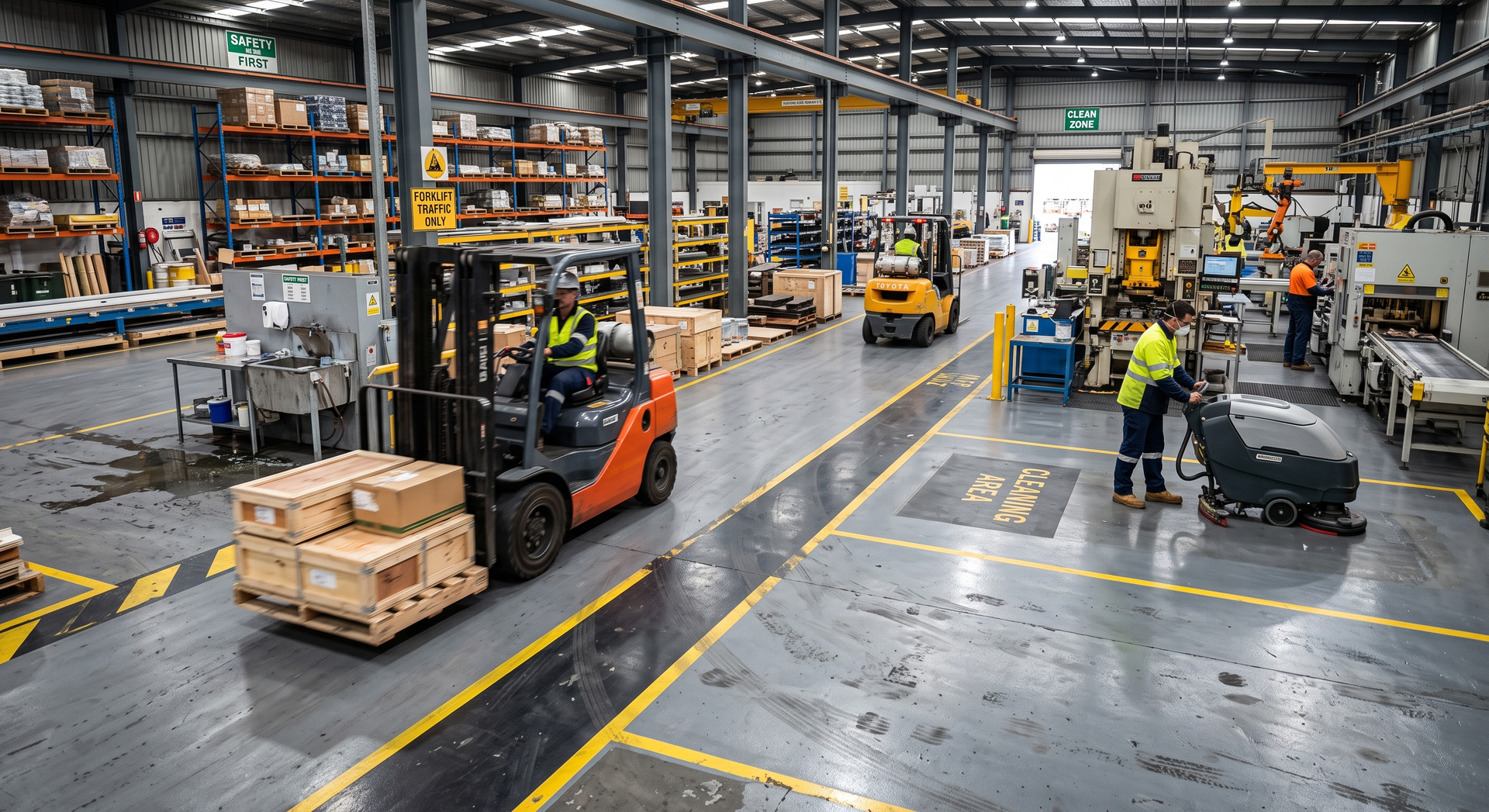
Industrial Epoxy Flooring
Forklifts, vehicles, machinery and equipment can put extra demands on concrete floors. Industrial epoxy flooring in Carole Park provides a durable coating system for suitable warehouses, workshops and industrial areas.

Common Epoxy Flooring Problems and Their Causes
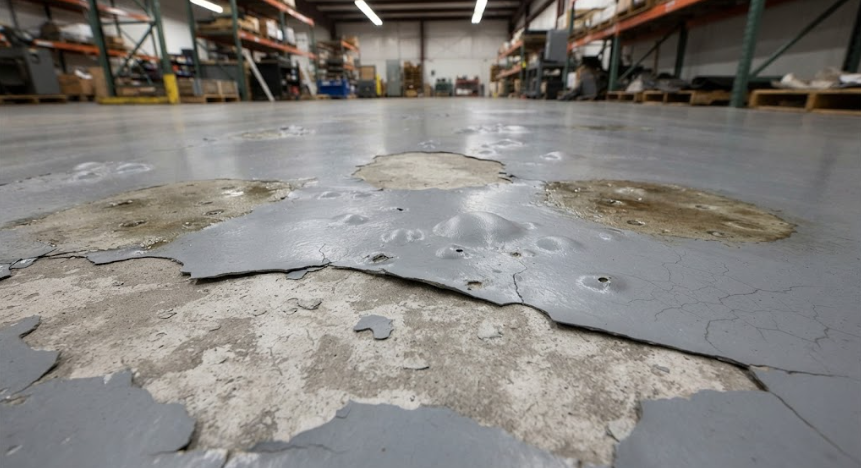
Epoxy flooring problems often trace back to concrete preparation, moisture, contamination, poor adhesion, or a coating system that does not suit the floor's use.
Common issues include:
- Peeling epoxy flooring — poor surface preparation, contamination, or weak adhesion can cause the coating to lift from the concrete.
- Bubbling and blistering — moisture, trapped air, or application problems can cause bubbles beneath an epoxy floor coating.
- Cracked epoxy flooring — movement or existing cracks in the concrete can transfer through the coating.
- Uneven epoxy floor coating — inconsistent application or inadequate preparation can leave patchy areas.
- Premature epoxy floor wear — heavy vehicle traffic, forklifts, machinery, or unsuitable coating specifications can accelerate wear.
- Poor epoxy adhesion to concrete — oil, grease, dust, old coatings, and other contaminants can prevent proper bonding.
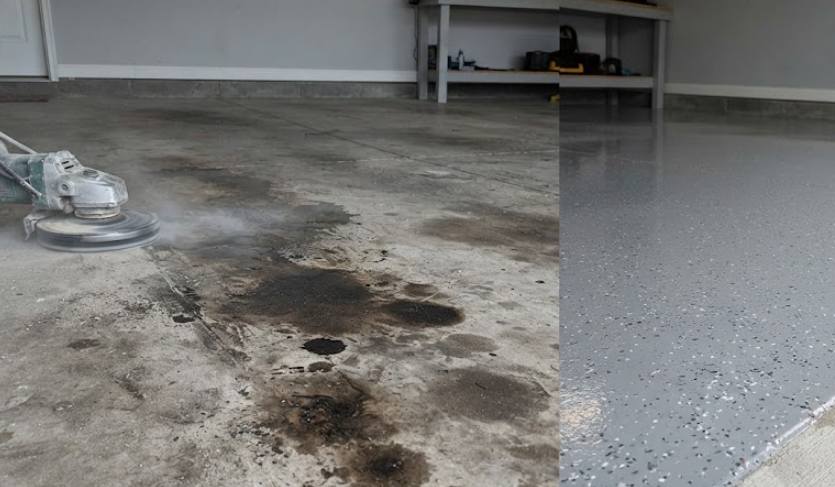
- Oil-stained concrete under epoxy — oil contamination needs treatment and preparation before an epoxy coating is applied.
- Epoxy damage in high-traffic areas — entrances, vehicle paths, and work zones can experience greater surface wear.
- Rough or inconsistent non-slip flooring — incorrect aggregate selection or application can affect the floor's texture.
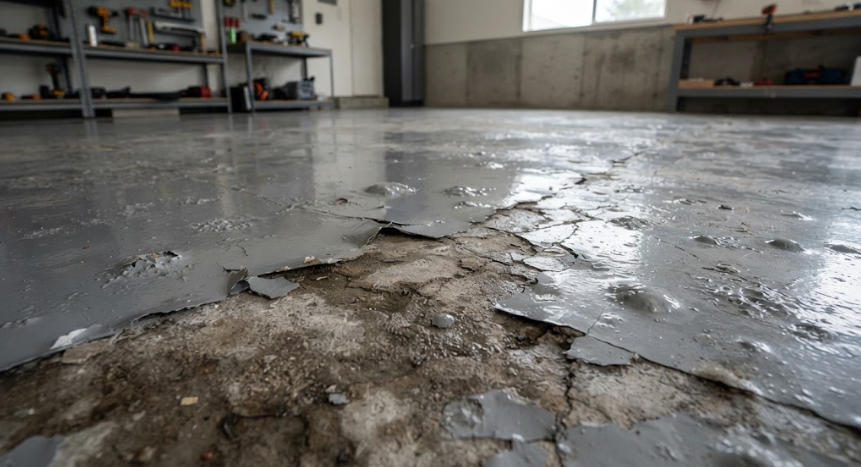
- Failed existing epoxy coating — extensive peeling, blistering, or delamination may require coating removal and new concrete preparation.
Protect your concrete with a professionally installed epoxy floor today.
When Should an Epoxy Floor Be Repaired or Recoated?
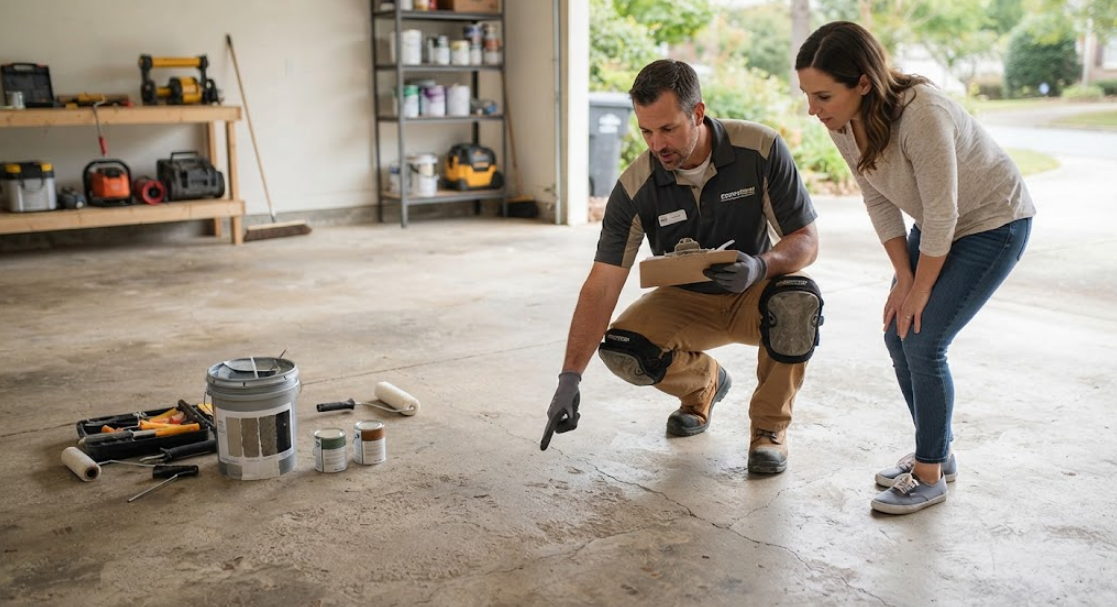
An existing epoxy floor does not always need complete removal. The condition of the coating and concrete determines whether epoxy floor repairs, recoating, or full replacement is appropriate.
Choosing a Slip-Resistant Epoxy Floor
Non-slip epoxy flooring can suit garages, workshops, warehouses, commercial premises and industrial areas where spills, vehicle movement, foot traffic or wet conditions increase slip risk. Slip-resistant epoxy coatings for concrete can incorporate suitable aggregates or additives to increase surface traction.
The required finish depends on the floor's use. A slip-resistant epoxy floor for a workshop may require different traction from a garage, warehouse, or commercial floor because traffic, cleaning methods, and exposure conditions differ.
What Affects the Cost of
Epoxy Flooring?
The cost of epoxy flooring in Carole Park depends on floor size, concrete condition, preparation, repairs, coating type, and how the floor will be used. Two floors of the same size can have different costs due to preparation and coating requirements.
Turn worn concrete into a cleaner, easier-to-maintain floor with epoxy.
Serving Carole Park and Surrounding
Suburbs
From industrial properties and workshops to garages and business premises, we service Carole Park and surrounding Ipswich suburbs.
Areas we serve
- Carole Park
- Springfield Lakes
- Ripley
- Redbank Plains
- Yamanto
- Spring Mountain
- Flinders View
- Raceview
- South Ripley
- Karalee
- Brassall
- Bundamba
- Redbank
- Swanbank
- Wulkuraka
If you're located near Carole Park or elsewhere around Ipswich, contact us to check whether we can service your area.
FAQs About Carole Park Epoxy Flooring
Choosing a floor coating often raises practical questions about preparation, cost, durability, and suitability. Here are some of the common questions customers ask before arranging an epoxy flooring project in Carole Park.
Is epoxy flooring suitable for industrial floors?
It can be suitable when the coating system matches the working conditions. Traffic, machinery, chemicals, cleaning requirements, and the existing concrete all need to be considered.
Can epoxy flooring be installed in a warehouse?
Yes, suitable epoxy systems can be used in warehouses. The specification should account for forklifts, vehicles, equipment, cleaning, and floor condition.
Can epoxy cover oil-stained concrete?
It can, but oil contamination needs proper treatment first. A professional technician should assess and prepare the concrete before coating.
How much does epoxy flooring cost in Carole Park?
The price depends on floor size, concrete condition, preparation, repairs, and coating type. A site assessment provides a more accurate basis for a quote.
Can epoxy flooring be applied over old concrete?
Yes, provided the existing concrete is suitable. Grinding, cleaning, repairs, or removal of an old coating may be needed first.
Is epoxy flooring suitable for workshops?
Yes, epoxy can provide a sealed and easier-to-clean surface for suitable workshops. The coating should be selected according to traffic and working conditions.
Can epoxy flooring be made slip-resistant?
Yes, suitable aggregates or additives can provide additional traction. The right option depends on the environment and intended use.
How long does epoxy flooring take to install?
It depends on the floor size, preparation, and coating system. Adequate curing time must also be allowed before normal use.
Can damaged epoxy flooring be repaired?
Some damaged floors can be repaired or recoated instead of completely replaced. The existing coating and concrete should be inspected first.
How do you clean an epoxy floor?
Sweep regularly to remove grit and loose debris. For deeper cleaning, use a suitable mild cleaning solution with a soft mop.
Ready to Find the Right Floor Coating?
You don't need to guess which coating your floor needs. Our flooring professionals can assess the concrete, explain the preparation involved, and recommend suitable repair, recoating, or epoxy options.